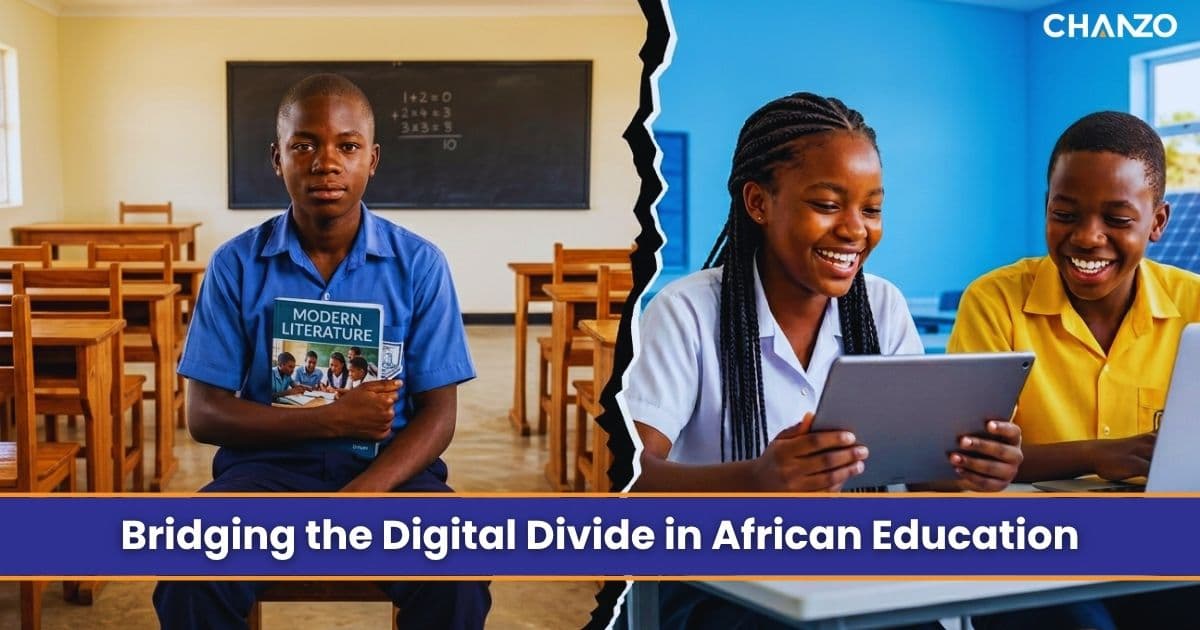
Across Africa, education is undergoing a quiet but powerful shift. Technology is opening new doors for learning, making it possible to reach students in ways that were once unimaginable. Yet, while some schools are rapidly embracing digital tools, others are still struggling to access even the most basic resources. This gap known as the digital divide remains one of the biggest challenges in achieving equal education for all.
Understanding the Digital Divide
The digital divide is more than just a lack of devices. It includes limited internet access, high data costs, unreliable electricity, and a shortage of digital skills among both students and educators. In many rural and underserved areas, learners are at a disadvantage simply because they cannot access the same tools and opportunities as their peers in more connected regions. This imbalance not only affects academic performance but also limits future opportunities.
Key Barriers to Digital Inclusion
Several factors continue to widen the gap in African education:
Infrastructure Challenges: Limited internet connectivity and inconsistent power supply
Affordability Issues: High costs of devices and data
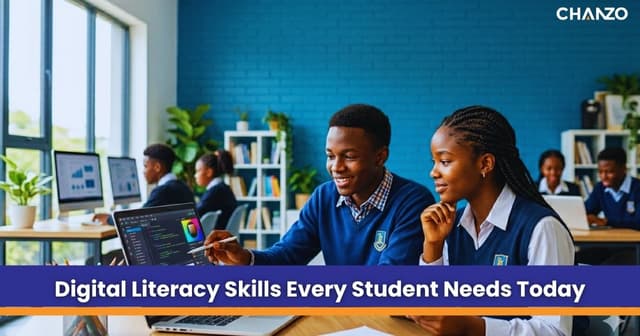
Digital Skills Gap: Lack of training for teachers and students
Content Relevance: Limited access to localized and culturally relevant learning materials
Addressing these barriers requires a coordinated effort from governments, institutions, and the private sector.
Innovative Solutions Making an Impact
Despite these challenges, progress is being made. Mobile technology is playing a significant role in expanding access, as smartphones are more widely available than traditional computers. Offline learning solutions are also helping students access content without constant internet connectivity. Additionally, partnerships between governments and tech organizations are driving initiatives to provide affordable devices, expand connectivity, and train educators in digital skills.
Real-World Progress Across the Continent
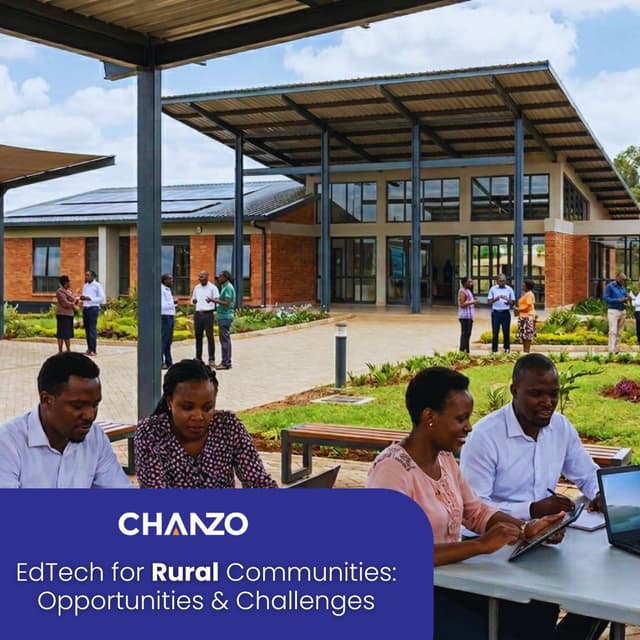
In various parts of Africa, schools are beginning to integrate digital platforms into their teaching. Some institutions are using solar-powered devices to overcome electricity challenges, while others are leveraging community internet hubs to support learning. E-learning platforms are also making it easier for students to access educational content beyond the classroom, helping to level the playing field.
The Role of Collaboration in Closing the Gap
Bridging the digital divide cannot be achieved by one group alone. It requires collaboration between policymakers, educators, technology providers, and communities. Investment in infrastructure must go hand in hand with training and support to ensure that digital tools are used effectively. When these efforts align, the impact can be transformative.
The digital divide in African education is a challenge but it is also an opportunity. By addressing the gaps in access, affordability, and skills, we can create a more inclusive and equitable education system. Every student, regardless of location, deserves the chance to learn, grow, and succeed in a digital world.
The future of education in Africa depends on the actions we take today. Support initiatives that promote digital access, invest in learning technologies, and be part of the movement to create equal opportunities for every learner.